Real Estate Regulatory Authority (RERA) approval is mandatory for all real estate projects exceeding 500 square meters or having more than eight apartments. The RERA Act, 2016, was implemented to ensure transparency, accountability, and efficiency in the real estate sector. If you are a builder or developer planning a new project, here’s a step-by-step guide to obtaining RERA approval.
Step 1: Understand RERA Requirements
Before applying for RERA registration, ensure your project meets the eligibility criteria:
- Land area of 500 sqm or more, or more than 8 units.
- Proper land title and legal clearance.
- Project must comply with state-specific RERA regulations.
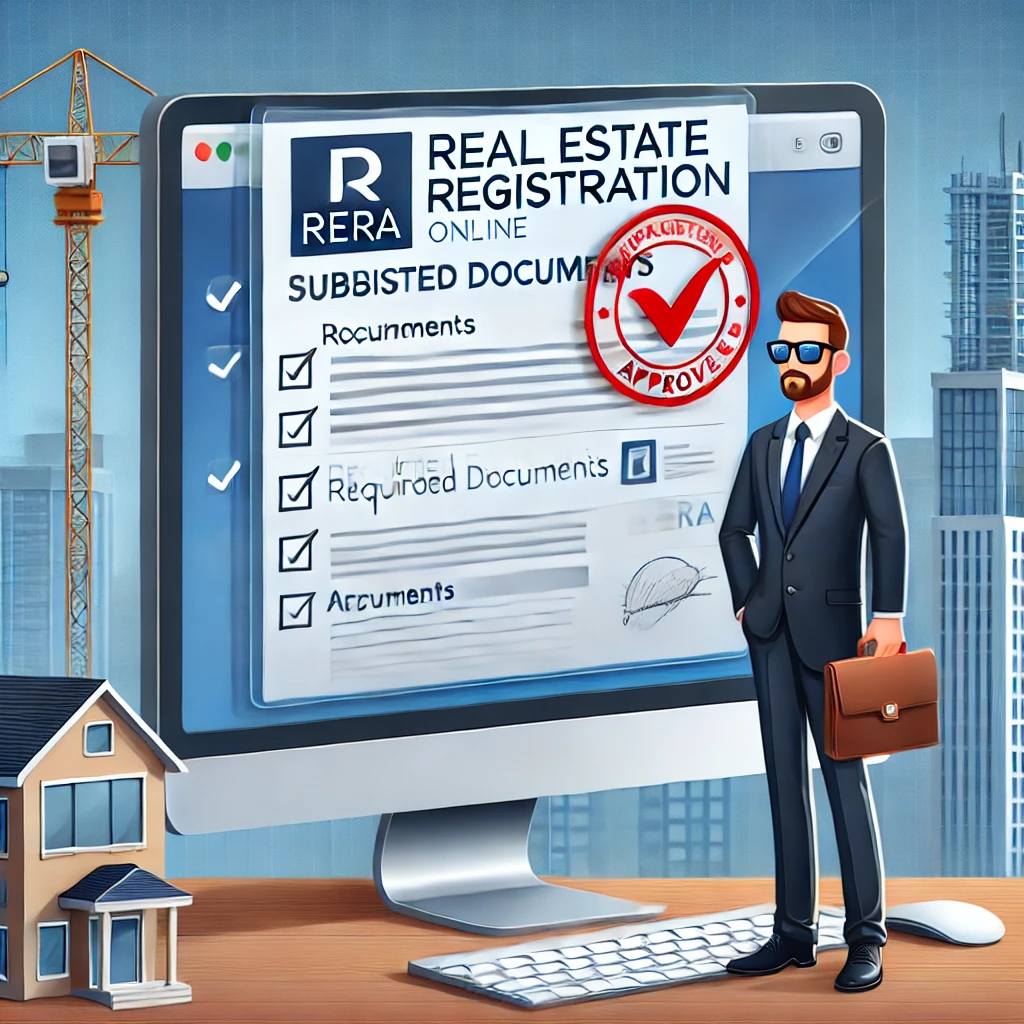
Step 2: Prepare Required Documents
The following documents are typically required for RERA registration:
- Project Details – Layout plan, sanctioned site plan, and location details.
- Land Title Documents – Ownership documents, sale deed, or joint development agreement.
- Encumbrance Certificate – A document proving no pending legal dues on the property.
- Development Plan – Detailed timelines and phases of construction.
- Financial Details – Bank account details for project funds (70% of funds to be kept in an escrow account as per RERA norms).
- Architect’s Certificate – Certifying project design and compliance with standards.
- Structural Engineer’s Certificate – Ensuring the safety and stability of the structure.
- Promoter’s Details – Name, address, PAN, and Aadhaar of the developer.
Step 3: Online Registration with RERA
- Visit the respective state’s RERA website.
- Create an account as a real estate promoter.
- Fill out the RERA registration form with project details.
- Upload all the required documents.
- Pay the registration fee, which varies by state and project size.
- Submit the application and note the reference number.
Step 4: Verification and Approval
- The RERA authority will review the application and verify documents.
- If any clarifications are needed, the applicant may have to provide additional information.
- Once verified, RERA issues a unique registration number, which must be used in all project advertisements.
- The registration certificate is valid until the project completion date specified in the application.
Step 5: Compliance After Approval
After obtaining RERA approval, developers must:
- Update project progress on the RERA portal regularly.
- Follow the declared timeline and specifications.
- Adhere to the rules for fund utilization (70% of project funds in an escrow account).
- Maintain transparency with homebuyers and investors.
- Resolve buyer complaints through the RERA grievance redressal system.
Conclusion
Getting RERA approval is essential for maintaining credibility and ensuring smooth project execution. Proper documentation, compliance with state laws, and transparency in transactions will help developers secure approval without complications. Always stay updated with the latest RERA guidelines specific to your state.
For expert guidance on project approvals, planning, and construction management, contact TLConstructions.in, your trusted partner in real estate development!